

The three rules that matter most
Once your itinerary reaches high altitude, avoid stacking big jumps in sleeping elevation day after day.
A new headache plus nausea, dizziness or unusual fatigue after ascent is a reason to stop going higher and reassess.
Worsening illness at the same elevation is not something to push through for a summit, reservation or schedule.
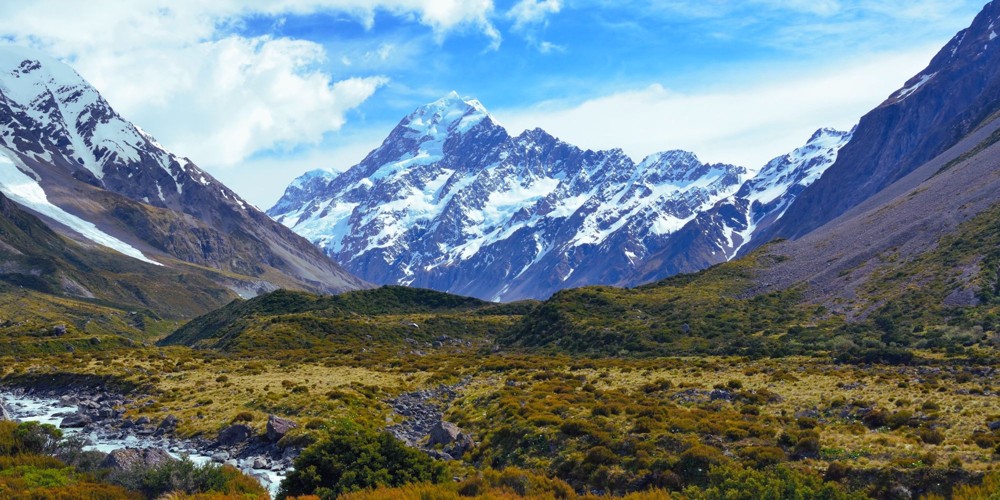
A safer way to plan Southern Alps
Base your plan on the highest sleeping elevation, not just the summit. On multi-day alpine routes, make conservative height gains and protect enough time to turn around.
- Know the elevation where you will sleep, not only the highest viewpoint or summit.
- Keep the first 24–48 hours easier after a large elevation gain.
- Avoid alcohol during the first 48 hours at high altitude; if you regularly use caffeine, abruptly stopping can create a withdrawal headache that is easy to confuse with altitude symptoms.
- Hydrate normally. Excessive water does not prevent altitude illness and can be harmful.
- Do not use fitness, a pulse-oximeter number or the fact that someone else feels fine as proof that it is safe for you to keep ascending.
When symptoms mean “stop”
If mild symptoms appear after an ascent, stop going higher and rest at the same elevation. If symptoms worsen, do not improve, or become severe, descent is the key safety move and medical evaluation may be needed.
Fitness, hydration and food
Good fitness helps you hike, ski or climb, but it does not reliably protect against acute mountain sickness. Normal hydration and regular food are sensible for performance and comfort, but neither replaces acclimatization. Avoid forcing large amounts of water as a “cure.”
What about acetazolamide (Diamox)?
Acetazolamide can speed acclimatization and is recommended for some higher-risk itineraries, but whether it is appropriate depends on the route, prior altitude history, medical conditions and other medications. That decision belongs with a clinician or travel-medicine professional—not an affiliate product list.
FAQ
For high alpine routes, yes. Many standard valley hikes, however, stay below typical acute mountain sickness elevations.
No. Fitness is useful for the activity, but acclimatization and ascent rate are more important for altitude-illness risk.
Do not ascend to sleep higher while symptoms consistent with acute mountain sickness are present. Rest, reassess, and descend if symptoms worsen or fail to improve.
No. Stay normally hydrated, but do not force excessive fluids. Acclimatization—not overhydration—is the main preventive strategy.